

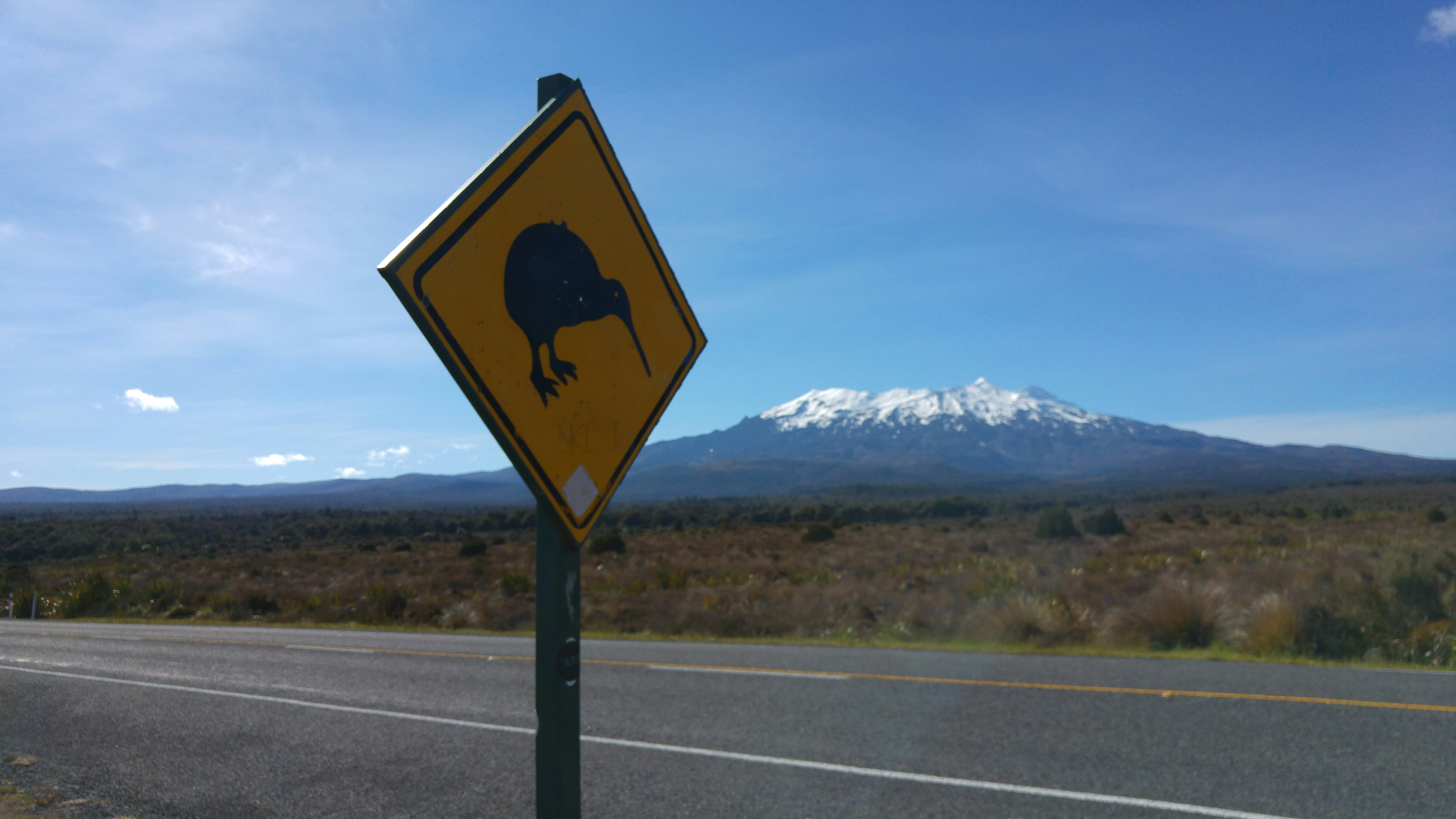
Understanding Winter Driving Conditions in New Zealand
New Zealand’s unique geographical features contribute to a diverse range of winter driving conditions, varying significantly from region to region. In the South Island, areas such as Queenstown and Wanaka experience heavy snowfall, creating treacherous roads laden with snow and ice. Meanwhile, the North Island’s winter weather predominantly features rain and cooler temperatures, impacting driving conditions differently.
Snow and icy roads significantly affect vehicle handling, making it essential for drivers to approach such conditions with caution. Black ice can accumulate on roads when temperatures dip below freezing, particularly on bridges and shaded areas. It is crucial for motorists to be aware of the potential for sudden loss of traction which can lead to hazardous driving situations.
Fog is another weather condition that New Zealand drivers must contend with during winter months, particularly in areas like Wellington and the Waikato region. Reduced visibility necessitates slower speeds and increased awareness of other vehicles and road hazards. Adapting to these reduced visibility conditions may involve utilizing fog lights and maintaining a greater distance from the vehicle ahead.
Additionally, heavy rain can lead to significant surface water accumulation, increasing the risk of aquaplaning. When driving in rain, it is advisable to use headlights to improve visibility while also considering the impact of reduced traction on braking distances. As the road surface becomes slick, adjusting one’s driving style—reducing speed and maintaining a safe following distance—is vital.
New Zealand’s winter weather can present various challenges, from icy roads to reduced visibility and heavy rainfall. Understanding these factors and anticipating the changes they bring to driving conditions will enable motorists to navigate New Zealand’s winter roads more safely and efficiently.
Essential Winter Driving Tips
Driving in winter conditions presents unique challenges that require specific strategies to ensure safety on the roads. One of the foremost tips for safe winter driving is to maintain a safe distance from other vehicles. This is vital in icy and slippery conditions, where stopping distances can be significantly longer than in dry weather. Ensuring a greater distance allows for ample reaction time if sudden stops are necessary.
Adjusting speed based on road conditions is equally important. Drivers should reduce speed in adverse weather, such as snow or rain, as lower speeds result in better vehicle control. It’s crucial to avoid abrupt acceleration and deceleration, which can lead to skidding; smooth, gradual movements promote stability on slick surfaces.
Visibility can also be compromised during winter months due to heavy snowfall or fog. Utilizing headlights effectively is necessary even during daylight hours when conditions are poor. This increases visibility not only for the driver but also for other road users, making it less likely for accidents to occur.
Another key aspect of safe winter driving involves the maintenance of tires. Ensuring that tires are properly inflated and have adequate tread depth is essential, as they provide the necessary grip on icy roads. In regions with heavy snowfall, the use of tire chains may be warranted. Installing chains before entering a particularly snowy area can enhance traction significantly.
In conclusion, adopting these essential winter driving tips can greatly enhance safety for New Zealand drivers during challenging winter conditions. From maintaining a safe distance to ensuring tire readiness and using headlights wisely, implementing these strategies can lead to more secure travels this season.
Preparing Your Vehicle for Winter Driving
As winter approaches in New Zealand, preparing your vehicle for the unique driving conditions that accompany this season is crucial. Winter weather can present challenges such as icy roads, reduced visibility, and unpredictable weather patterns, making vehicle readiness essential for safety.
One of the primary areas to address is your vehicle’s brakes. Ensure that they are in optimal condition, as they play a critical role in stopping effectively on slippery surfaces. It is advisable to have a professional mechanic check brake pads, discs, and fluid levels to confirm that they are functioning correctly.
Battery life is another vital consideration during the winter months. Cold temperatures can significantly affect battery performance. Drivers should inspect their battery and ensure it holds a full charge. If the battery is more than three years old, it may be worth considering a replacement to avoid potential failures during colder weather.
Equally important are your windshield wipers, as visibility is key for safe driving in winter. Replace worn wiper blades with high-quality ones designed for harsh weather, and ensure that your windshield washer fluid is filled with a winter formula to prevent freezing.
Tires serve as the only contact between your vehicle and the road, making them crucial for winter driving. Check tire pressure regularly, as it can drop in colder temperatures. Additionally, assess tread depth, as well-worn tires are less effective on slick surfaces. In regions that experience significant snowfall, consider investing in winter tires, which provide better traction.
Finally, preparing an emergency kit can significantly improve your safety in the event of an unforeseen situation. Essential items to carry include blankets, non-perishable food, water, a flashlight, a first aid kit, and basic tools. Having these supplies can make a considerable difference in maintaining comfort and safety should an emergency arise while driving.
What to Do in Case of an Accident or Breakdown
Driving in winter conditions can lead to accidents or breakdowns, and it is imperative to be prepared for such incidents. If you find yourself involved in an accident, the first priority should always be safety. Ensure that you and any passengers are unharmed; if anyone is injured, seek medical attention immediately. Next, if it is safe to do so, move your vehicle to the side of the road to prevent further collisions.
If the vehicle cannot be moved due to damage or other issues, activate your hazard lights and set up warning triangles, if available. Make sure to signal to other drivers to provide ample warning. Contact emergency services by dialing 111, providing them with your location and a brief overview of the situation. Document the accident by taking photos and collecting information from all involved parties, including names, contact details, and vehicle registration numbers. This information will be vital for insurance claims and further investigations.
In the case of a vehicle breakdown, it is important to follow similar safety protocols. Pull over to a safe area away from traffic, display your hazard lights, and if possible, use warning triangles. If you need to wait for assistance, contact a roadside service, or a friend, while remaining with your vehicle. In winter, it is essential to stay warm while you wait. Keep your engine running only if it is safe to do so, and clear the exhaust to prevent carbon monoxide build-up. If you have emergency supplies in your vehicle, such as warm blankets, use them to keep comfortable until help arrives.

Leave a Reply
Your email address will not be published. Required fields are marked *